How to Foster a Safety-First Mindset Among Your Team
Your workers’ safety sets the foundation for long-term business performance
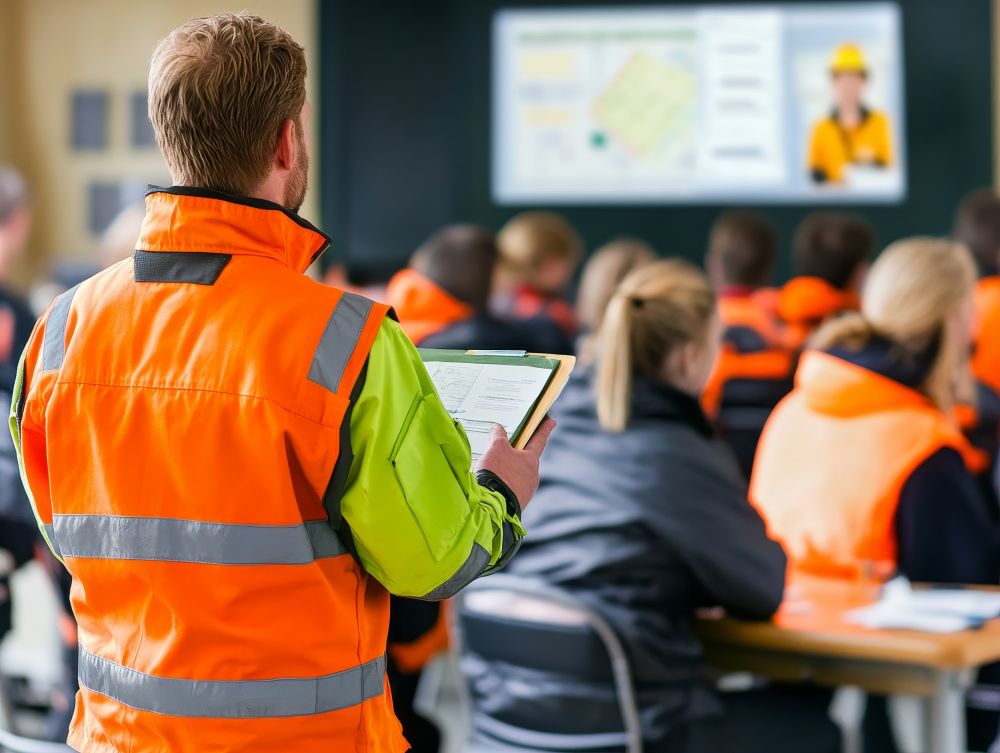
Instilling a safety-first mindset within the construction team equips them with the tools to keep themselves safe from the inherent dangers of the job. Yet, despite growing awareness, many companies remain reactive instead of proactive when it comes to safety concerns. Changing this mentality requires embedding safety into the DNA of your operations, from leadership decisions to frontline behaviors.
Why a Safety-First Mindset Matters
Jobsite incidents come at a high human and financial cost. The Bureau of Labor Statistics found 21,400 nonfatal injuries within the industry — an eye-opening statistic about the gravity of the work. Most of these construction incidents are preventable but remain prevalent due to human error rather than equipment failure. Every injury causes lost time, reduced morale, and increased insurance costs. In the worst-case scenario, lives are irreversibly changed.
Thanks to improved conditions, a safety-first mindset may reduce risky behaviors, absenteeism, and turnover. When a crew has a strong safety record, its ability to secure new work is also enhanced. Large general contractors and clients increasingly demand safety practices beyond basic OSHA compliance. Some even scrutinize incident rates before awarding contracts. Without a documented and proven culture of safety, your team may not even be considered for specific projects.
Leadership Sets the Tone
The cornerstone of any safety-first culture is leadership buy-in. It bridges the workers and the company culture, and when leadership communicates and demonstrates that safety is nonnegotiable, it creates a ripple effect across the entire organization.
Embedding safety goals into performance reviews, daily meetings, and resource planning helps signal their importance. Leaders who walk jobsites, listen to concerns, and model safe behavior lay the groundwork for a culture where safety is everybody’s responsibility, not someone else’s job.
Bottom-Up Input Matters
Veteran workers may resist new safety procedures, often relying on the “we’ve always done it this way” mindset. However, ignoring their experience is also a missed opportunity. A survey revealed that 23% of employees resist change due to exclusion from management decisions, while 38% cite a lack of awareness of why change is implemented.
Workers on the ground understand jobsite risks better than anyone. Inviting them to share insights and propose solutions makes them feel included and in charge of their safety. For example, if a crew identifies that swing gates on scissor lifts pose a pinch-point hazard during repetitive entry and exit, updating models with sliding swing gates — now standard on new equipment that complies with updated safety regulations — demonstrates responsiveness and commitment to safety innovation. Understanding why changes are made and how they benefit everyone helps employees accept change.
Improve Communication & Accountability
One of the most common failings in safety implementation is inconsistent communication. The construction industry employs 3.3 million immigrants, who cannot be expected to follow protocols they don’t understand or weren’t trained on. To help ensure every employee has the safety information they need, deliver training in employees’ native languages, confirm comprehension, and avoid assuming experience equates to current knowledge.
Firms should also shift the narrative that safety is a part of some employees’ job descriptions. Safety is everyone’s responsibility, not just that of designated safety officers. Set up formal and informal channels where team members can report risks without fear of reprisal. Reinforce the message that flagging an issue is a sign of professionalism.
Evaluate and Modernize Training
Outdated or one-size-fits-all safety training won’t create lasting change, and 80% of enterprises say it’s holding them back. You need dynamic, job-specific modules that evolve with your work. Companies that prioritize tailored safety training, conducted regularly and reviewed for relevance, see a measurable drop in incidents and lost-time injuries.
However, you should also consider the quality of training, not just the quantity. A recent study revealed that more hours of safety training are linked to more accidents than the opposite. Improper training is seen as a contributing factor to over 38% of fall-related deaths in 2022. Ensure your training addresses site-specific hazards, new equipment, and seasonal risk factors, and reinforce lessons through visual aids, toolbox talks, and site walk-throughs. Periodically audit your program to close knowledge gaps.
Invest in Cultural Infrastructure
Time-strapped managers often sideline safety due to other demands, such as manpower sourcing and project deadlines. That’s where cultural infrastructure comes in. When safety becomes second nature, the pressure on managers to enforce compliance drops dramatically.
You can support this shift by establishing safety champions across teams, rewarding proactive behaviors, and integrating safety performance into project metrics. Consider partnering with safety consultants who can perform audits, offer tailored solutions, and help implement long-term cultural shifts without disrupting operations.
Make Safety a Shared Responsibility
Safety should not be an afterthought, especially in an industry so exposed to various hazards. By embedding safety into each aspect of the job, you create a safe workplace.
In construction, safety is the foundation. Build it right, and everything else stands stronger.
- Share This →