
Electrical Problem: DIY vs. Professional Solution
Learn to distinguish between the electrical work that you can safely handle at home and the jobs that require a professional electrician
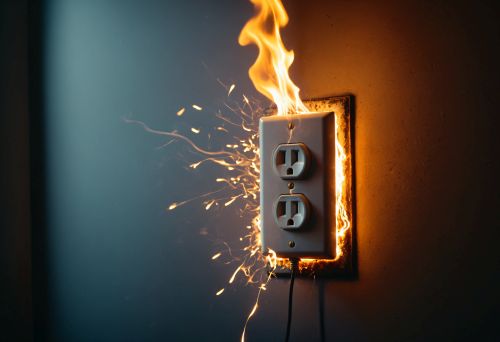
Do you strive to engage in home maintenance and resolve most electrical problems on your own? It’s a good thought! DIY projects can be a rewarding and economical method to improve your house. However, they come with risks, especially when electricity is involved.
Thus, it's critical to distinguish between electrical work that may be safely handled by a DIY-er and those that call for the skills of a professional electrician. This article is here to assist you in navigating those areas. So, let’s begin!
Which Electrical Tasks are DIY-Friendly?
Feasibility, safety, and local regulations should dictate your DIY approach. Here are some common electrical problems that most homeowners can address with a little guidance:
1.Change of Light Bulbs, Including Smart and LED Bulbs
A simple action like changing a light bulb shouldn't be too much to handle. This is a simple task, regardless of whether you are dealing with a conventional incandescent light bulb, an energy-efficient LED, or a smart bulb that connects to your phone—as long as you make sure the switch is off before beginning. Remember to dispose of older bulbs as they may contain hazardous elements.
Extra Tip: According to statistics, you can reduce your energy expenses by almost 75% by switching to LED bulbs instead of conventional ones.
2.Light Fixture Installation or Replacement Without the Need for New Wiring
Assuming that you are not adding new wiring, changing light fixtures is another doable task. You may quickly give an old or worn-out fixture a new look by following the manufacturer's directions. But use caution – you may run across unforeseen problems when installing fixtures. If the current electrical job appears complex or unfamiliar, make sure you cut off the power and do not continue.
3.Replacement of Existing Non-GFCI Outlets with GFCI Outlets
In places where moisture is a concern, such as bathrooms and kitchens, GFCI (Ground Fault Circuit Interrupter) outlets are crucial. As a do-it-yourself project, you may swap out non-GFCI outlets for GFCIs. According to studies, GFCIs can lower the danger of electrocutions by about 47%. This small alteration can greatly improve safety.
4.Repairing of a Broken Plug or Cord for an Appliance
It's tempting to throw away an appliance cord and buy a new one if you see wear or fraying. Alternatively, this could be an electrical problem, which you can handle yourself by repairing the plug or cord. By minimizing waste and encouraging a sustainable lifestyle, this little activity can help you save money.
However, if you need to replace the cord, make sure you adhere to the voltage and amperage requirements.
5.Change of Fuse
Fuses can occasionally blow, and changing them is an easy solution. Just be careful to choose a fuse with the right amperage rating because if you don't, electrical fires or equipment damage may result. Keeping your system updated is essential to avoid electrical fires caused by defective wiring.
When is a Professional Needed for Electrical Work?
Though many electrical jobs may be completed quite easily, calling a professional electrician is necessary in certain situations. Let's examine some jobs that are not suitable for do-it-yourself projects:
1.Setup of New Circuits for Appliances, Lights, or Outlets
Installing new outlets, lights, or appliances can be a challenging task that calls for familiarity with load calculations and current codes. Failing to adhere to safety procedures may result in fines or overloaded circuits. Experts can guarantee adherence to National Electrical Code requirements, lowering the possibility of dangers.
2.Replacement of the Breakers or Updating of the Electrical Panel
An electrical panel upgrade or replacement is a complex task that frequently involves handling high voltages. Making sure your house can accommodate new demands without posing hazards is a process that requires experience. Due to its inability to handle contemporary electrical loads, an old panel may present a fire hazard.
3.Rewiring of the House, Including Changing Old Knob-and-Tube Wiring
Do you need to replace knob-and-tube wiring (an older system) in your home? This wiring, which can provide serious safety risks, was frequently found in homes constructed prior to 1950. It is imperative to upgrade your type of wiring if it does not adhere to current codes. Rewiring is also a significant task that requires professional knowledge.
4.Fixing of Wiring Ceilings and Walls
Because it requires knowledge of loading, codes, and how to work with structural elements without sacrificing safety, running new cables through walls is a highly skilled job. Errors may result in code infractions or even a higher risk of fire. Qualified electricians are able to handle these electrical problems safely and effectively.
5.Setup of Whole-House Generators
During blackouts, whole-house generators can save lives, but competent installation is necessary. Advanced connections to your home's electrical panel and adherence to local codes are frequently required for this task. Inadequate generator installation can endanger utility workers' and users' safety. It is better to rely on professionals for this setup.
For DIY-ers, electrical work can be a fulfilling endeavor, but it's important to know when to hire professionals. Maintaining a balance between competence and safety is crucial for anything from basic electrical work, like changing light bulbs, to intricate wiring projects.
You may confidently do a variety of electrical activities around your house if you take the time to evaluate your comfort level and the dangers involved. For more complex electrical problems, you can choose to engage a professional.
Have you ever had a positive or negative experience doing electrical work at home? Tell us what you think!
Author Bio
: Jeson Pitt works with the marketing department of D&F Liquidators and regularly writes to share his knowledge while enlightening people about electrical products and solving their electrical dilemmas. He’s got the industry insights that you can count on along with years of experience in the field.
- Share This →